

From anti-reflection to color tints, modern glass enhances design in many ways.
Whatever the construction challenge, we have the right glass to meet it.
See how the correct choice of glass can transform a home - and even our wellbeing.
What modern glass can do
How and where glass is used
How glass is made and what it offers
Architects 3XN have created deliberate geometric transformations that create a prismatic pattern of triangular surface reliefs.
Glass helps set the scene for a comfortable stay in Dubai
Explore Guardian Glass projects in your area and beyond with Google Street View and be inspired by the possibilities.
Discover our showcase projects, captured through the lens of professional photography.
Search and filter through our wide range of products
See where you can buy Guardian Glass products near you
Navigate our architectural glass range and filter options based on product performance and aesthetics.
- SunGuard eXtraSelective
- SunGuard Double Silver
- SunGuard SuperNeutral
- SunGuard High Performance
- SunGuard Solar
- SunGuard High Durable Colours
- SunGuard High Durable Plus
- SunGuard Solar Prime
- ClimaGuard
- Guardian Clear
- Guardian Tinted Glass
- Guardian Clarity
- Guardian LamiGlass Acoustic
- Guardian LamiGlass Clear
- Guardian LamiGlass Color
- Guardian DecoCristal
- Guardian UltraMirror
- Guardian SMG
- Guardian SilverGuard
Just as we were in 1932, we're ready to meet the challenges of now and the future
Find out more about how glass can support sustainable design
We strive for quality in everything we do
Access our comprehensive suite of engineering and analytical tools
Download and use our standardized Guardian BIM content to create project specific BIM files
For anyone who is interested in learning more about glass and its use
Evaluate the aesthetic properties of glass make-ups
- Our glass
- SunGuard® High Performance
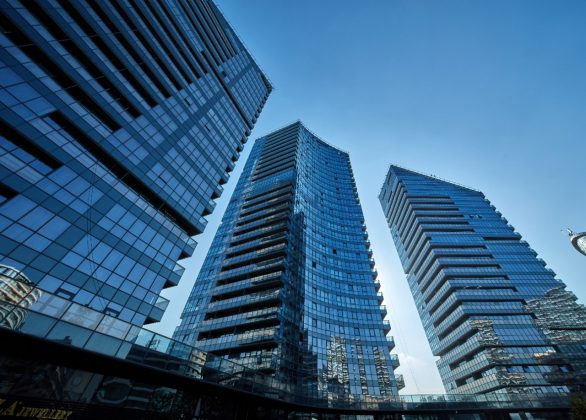
SunGuard® High Performance
SunGuard® High Performance is our commercial range of single silver coated glass, which not only offers high solar control but also design flexibility and good levels of thermal insulation.
Placeholder
Add more products here
Year-round performance – and beauty
Energy efficiency and solar protection are is now also available in a wide choice of unique colors with SunGuard High Performance glass – making it ideal for many different architectural requirements and climate conditions. Particularly when air-conditioning is heavily used or stringent energy regulations are in place.
It’s got it covered
With its ability to help minimise solar energy gain and maximise natural light transmission, while delivering unique visual options, SunGuard High Performance glass is adapted to virtually any application. This includes facades, curtain walls, conservatories, spandrels, windows and doors.
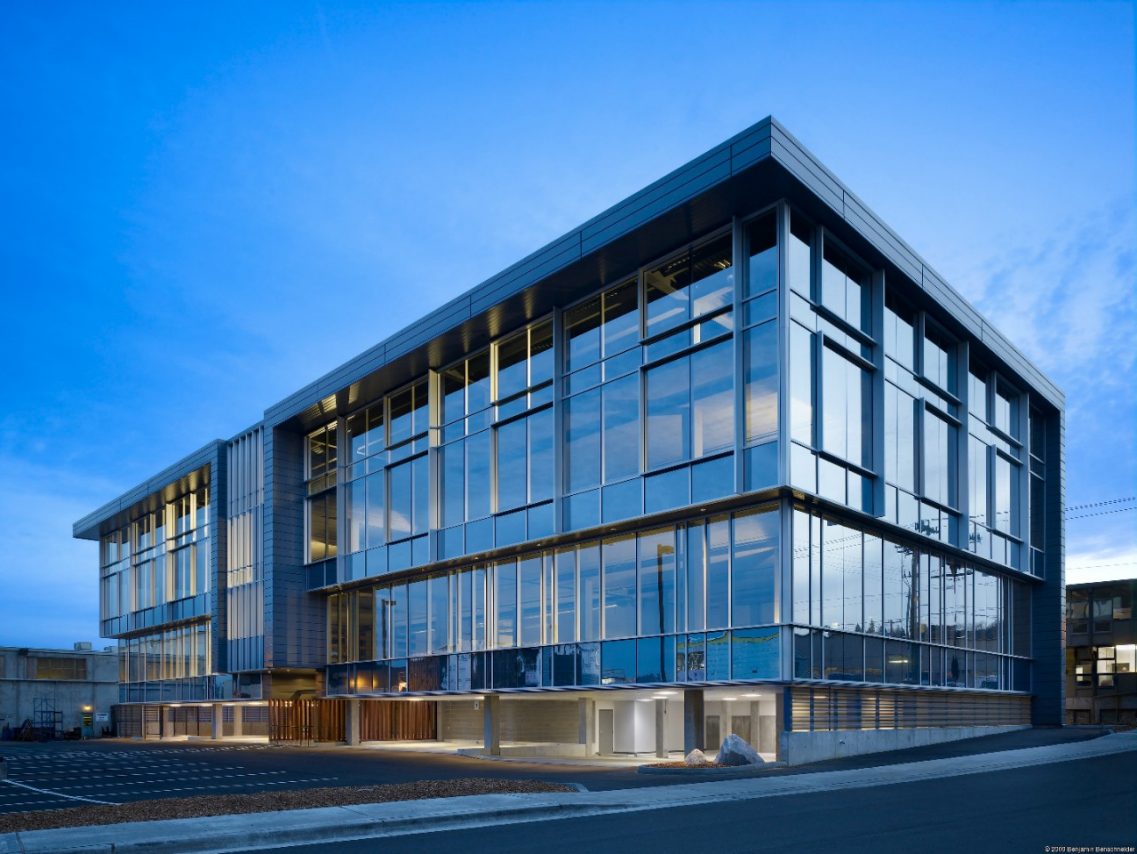
Consistently delivering
The combination of solar protection and thermal insulation means SunGuard High Performance glass performs whether summer or winter. It can be supplied as laminated glass or can be laminated afterwards, heat treated, curved or screen printed with approved enamels.
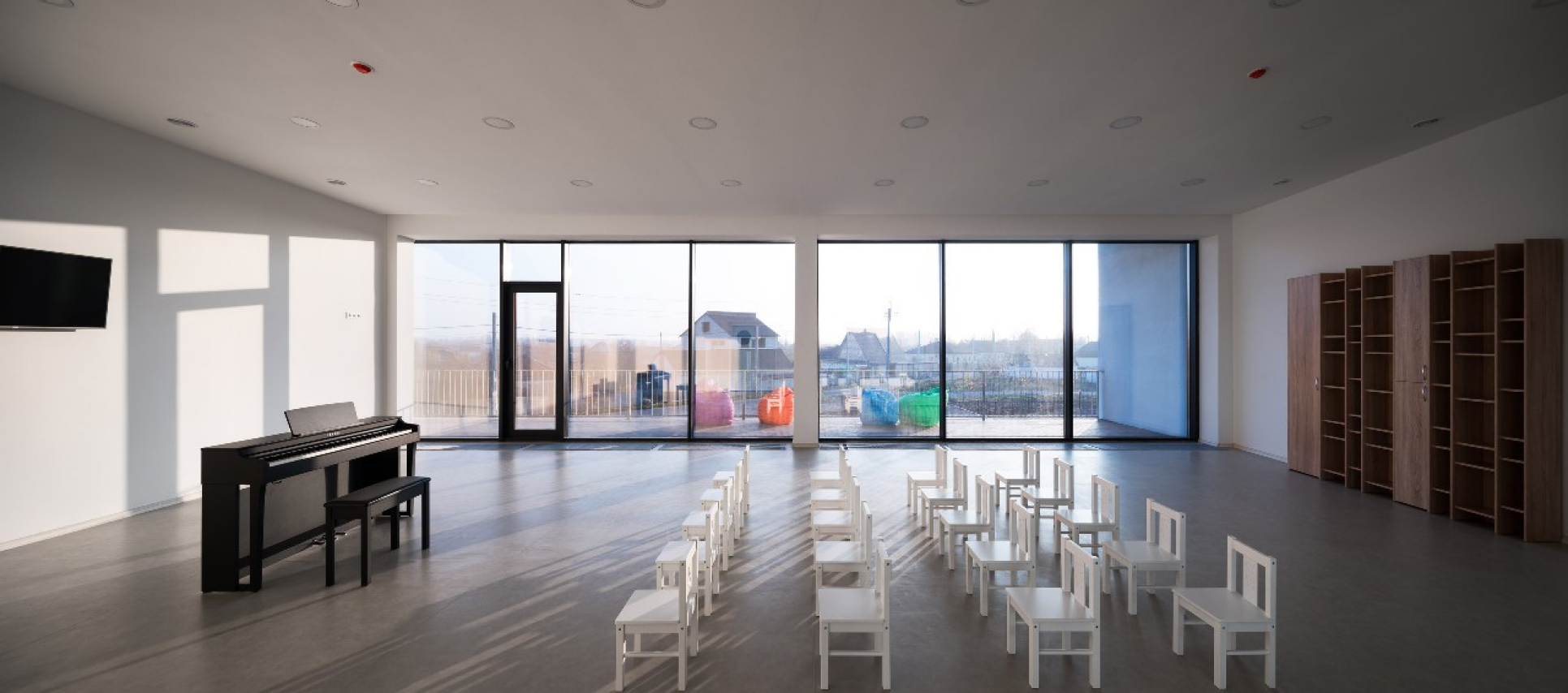
The glazing make-up suggestions below are pre-defined to provide examples of commonly used combinations of products. There are many other glass combinations available at Glass Analytics.
- Performance Calculations
-
1 Pane
-
2 calculation format
-
3 Results
-
1 Outer Pane
-
2 Inner Pane
-
3 cavity
-
4 calculation format
-
5 Results
-
1 Outer Pane
-
2 Middle Pane
-
3 Inner Pane
-
4 cavity
-
5 calculation format
-
6 Results
-
Monolithic
Not available for this product
-
Double
Not available for this product
-
Triple
Not available for this product
Monolithic
Monolithic Laminated
Double Glazed
Double Outer pane Laminated
Double Inner pane Laminated
Double Inner and Outer pane Laminated
Triple Glazed
Triple Outer pane Laminated
Triple Inner pane Laminated
Triple Inner and Outer pane Laminated
Access our website on a bigger device to be able to use our comparison tool.
An email address is required to retrieve BIM object files from our Glass Analytics tool. On request, you will receive an email with a link to download the files.
We will not store your email for marketing purposes unless you indicate you would like to receive emails from us.
An email will be sent to you shortly with your custom Guardian BIM content.


An email will be sent to you shortly
Placeholder
Add more products here
Add more products here
- Fabricators
- Glaziers
Find a fabricator
Add filters
Find a glazier
Add filters

Your search has taken you to Guardian's regional site. Products and services tend to differ from region to region (this may suit your needs if you are looking for glass in another area of the world). However, your local Guardian business is identified as being Guardian's regional site, if this is incorrect you can change your regional website settings here.

