
HP Neutral 60 (Discontinued)
High performance with high light transmission
Guardian SunGuard® High Performance (HP) Neutral 60 is a high-performance product that provides great thermal insulation with 60% light transmission. HP Neutral 60 offers flexibility to design great projects without being concerned about lack of light or thermal insulation.
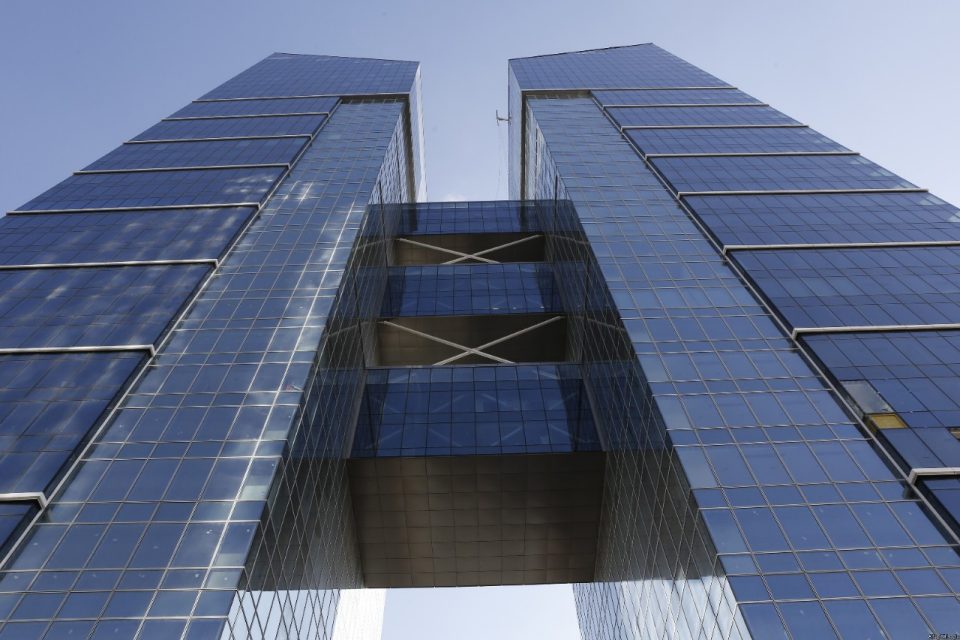
The glazing make-up suggestions below are pre-defined to provide examples of commonly used combinations of products. There are many other glass combinations available at Glass Analytics.
- Default Performance Data
- Performance Calculations
-
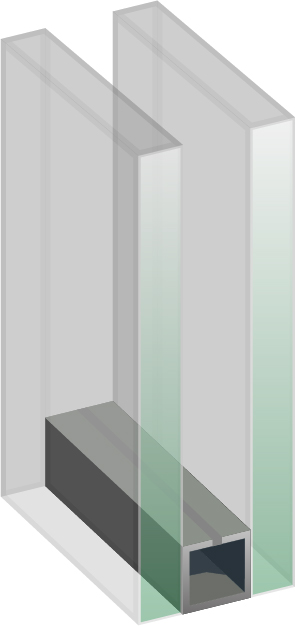
Double Glazed
-
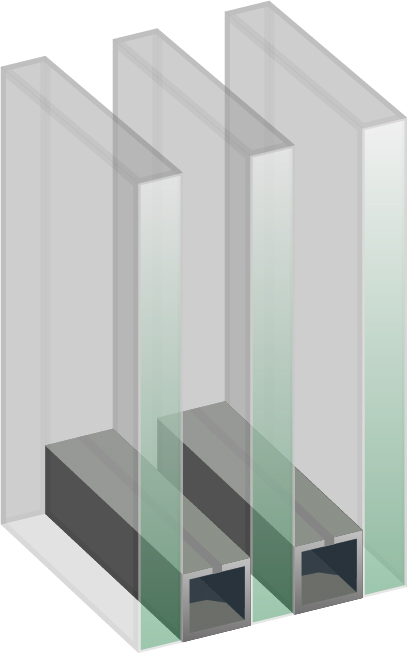
Triple Glazed
Double Glazed
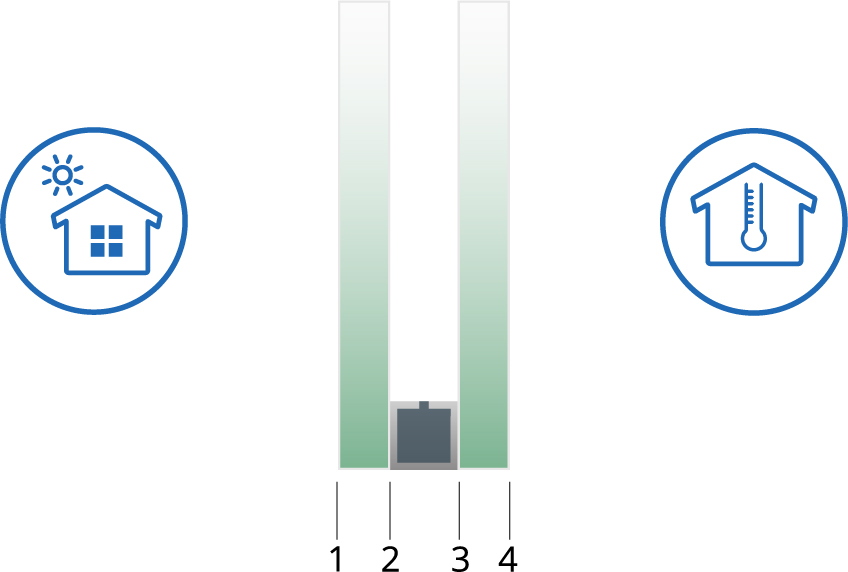
GLASS: Guardian Clear Glass (Middle East & Africa) Glass, 6mm (2-SunGuard® HP Neutral 60 (Middle East & Africa Discontinued))
GAP: 100% Air 12.0mm
GLASS: Guardian Clear Glass (Middle East & Africa) Glass, 6mm
Calculated Values are in accordance with NFRC2010
Performance Values For more details on the performance values displayed and Embodied CO2 please click here
Triple Glazed
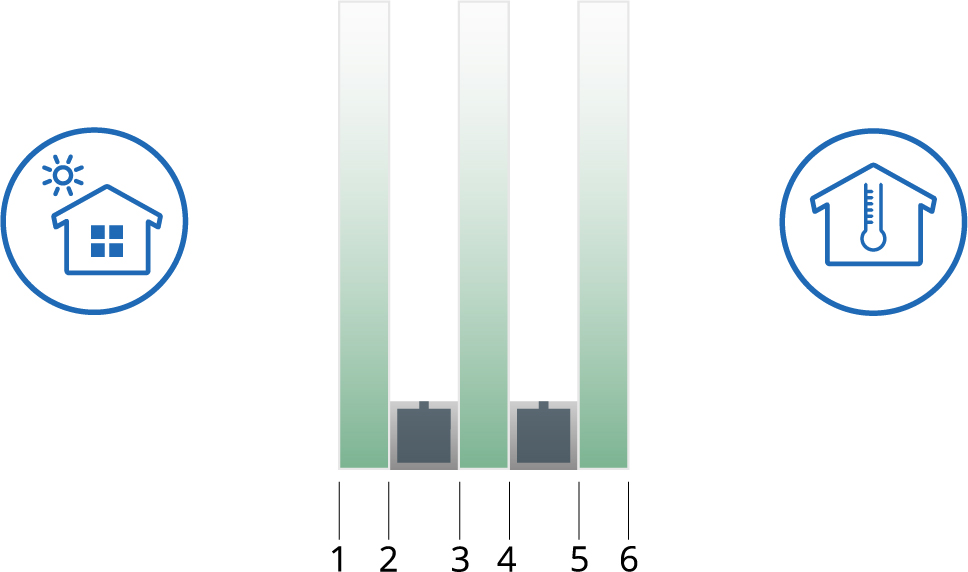
GLASS: Guardian Clear Glass (Middle East & Africa) Glass, 6mm (2-SunGuard® HP Neutral 60 (Middle East & Africa Discontinued))
GAP: 100% Air 12.0mm
GLASS: Guardian Clear Glass (Middle East & Africa) Glass, 4mm
GAP: 100% Air 12.0mm
GLASS: Guardian Clear Glass (Middle East & Africa) Glass, 6mm
Calculated Values are in accordance with NFRC2010
Performance Values For more details on the performance values displayed and Embodied CO2 please click here
-
Monolithic
Not available for this product
-
Double
Not available for this product
-
Triple
Not available for this product
Monolithic
Monolithic Laminated
Double Glazed
Double Outer pane Laminated
Double Inner pane Laminated
Double Inner and Outer pane Laminated
Triple Glazed
Triple Outer pane Laminated
Triple Inner pane Laminated
Triple Inner and Outer pane Laminated
Access our website on a bigger device to be able to use our comparison tool.
Visual Appearance
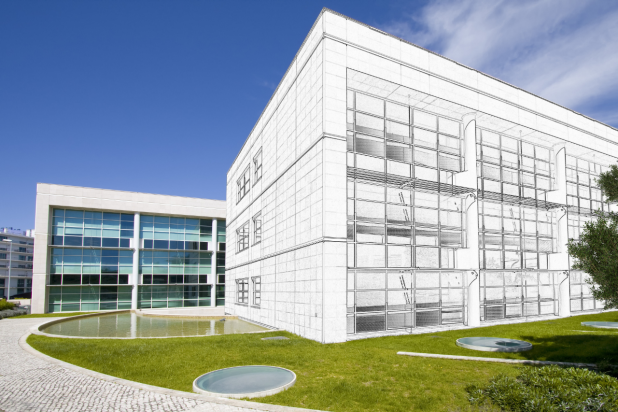
Use the Glass Visualizer to get an introductory understanding of how glass will appear in use. Use the Glass Analytics tools to explore even more options for color and performance.
You need more information and additional mockups? Consult our Glass Visualizer Tool:
Product information
- Clear 3-12 mm
- Windows
- Facades
- Roof window
- Curtain walls
- Doors
- Heat Strengthened
- Heat Soaked
- Annealed
- Tempered
- Surface 2 (double IGU)
- <3210x6000mm
- Please consult the processing guidelines or your local Guardian Technical Services representative.
- Single Silver Coated Glass
- Solar control
- Thermal insulation
- Must be used in an Insulating Glass Unit
- Neutral
Can’t find the glass make-up you are looking for? Go to Glass Analytics for more detailed configurations:
- Fabricators
- Glaziers
Find a fabricator
Add filters
Find a glazier
Add filters