

Energy efficiency & operational carbon of buildings
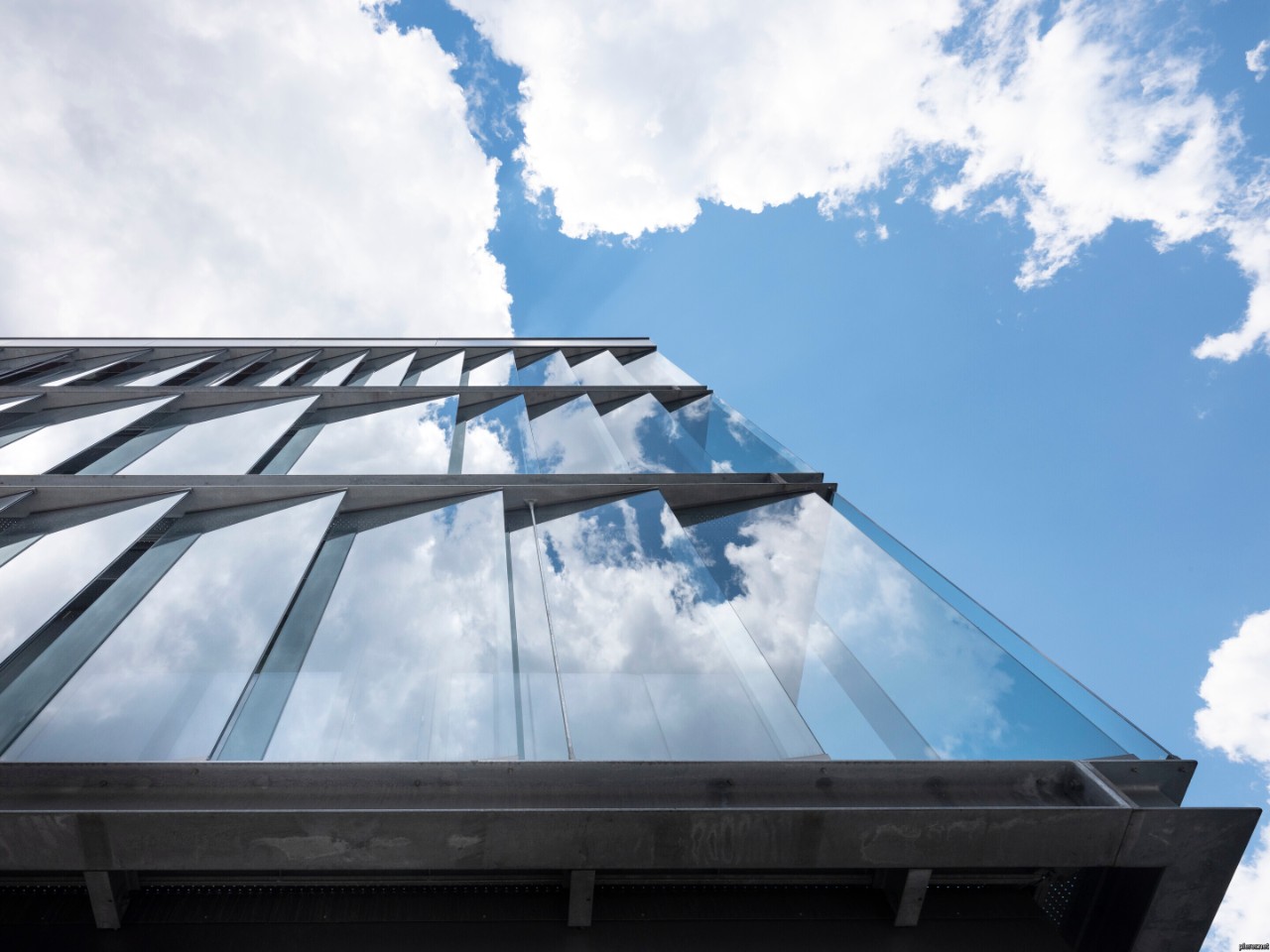
Buildings account for a large share of the global energy use and carbon emissions. According to the Global Status Report for Buildings and Construction 2024/2025, published by the UN Environment Programme and the Global Alliance for Buildings and Construction, the sector consumed around 32% of global energy and contributed approximately 34% of global CO2 emissions.
As energy codes tighten and project teams work to lower operational carbon of the built environment, the glazing you specify can be an important lever by influencing how much energy a building needs for heating and cooling, while affecting the comfort of the people inside. High-performance glass can help you balance these demands, and the right tools can help you make informed decisions, backed by data.
How high-performance glass can help reduce operational carbon
Solar control: managing heat gain
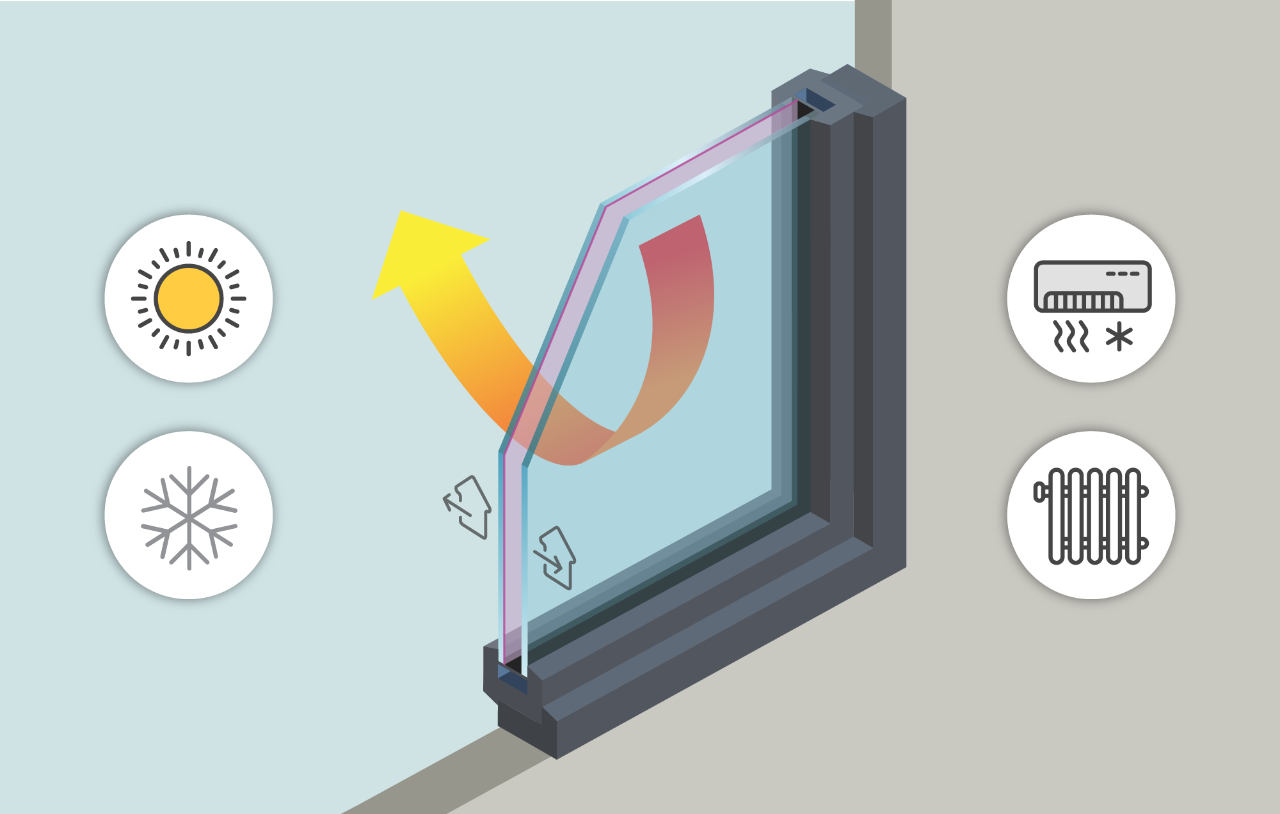
Solar control coated glass can help reflect a proportion of the sun's heat away from the building. This can help limit the "greenhouse effect" in warmer months and contribute to reducing the need for air conditioning — particularly valuable in hot climates, where cooling can be more energy-intensive than heating, and for glazed facades with high exposure to the sun.
Thermal insulation: reducing heat loss, and retaining cooling
Thermal insulating coated glass can help reduce heat transfer between the inside and outside of a building, measured by its U-value: the lower the U-value, the better the insulation. Low-emissivity (low-E) coatings, argon-filled cavities, warm-edge spacers and double- or triple-glazing can all contribute to retaining warmth in colder conditions and reducing the energy needed for heating.
Low-E coatings are not only useful in cold climates: in hot climates and air-conditioned buildings, they can also help retain cool air, which can help reduce cooling demand and the associated operational carbon. Using a low-E glass as the internal pane of an insulating glass unit (IGU) may also help limit condensation forming on the outer surface of the glass when outside temperatures and humidity are high.
Daylight and spectral selectivity: balancing light and heat
High-performance coatings help manage solar heat, but they can also reduce the amount of visible light a glass transmits compared with standard, uncoated glass. The aim is to find the right balance: transmitting useful natural daylight while controlling solar heat gain — a balance described as spectral selectivity. Choosing a glazing with the appropriate light transmission for a project can help support access to daylight and the comfort and well-being of building occupants, alongside helping optimize its energy performance and reduce the associated operational carbon.
Glazing optimization
The right balance between solar control, insulation and daylight is not necessarily the same for every façade. Different orientations are exposed to different conditions: south-facing façades may experience higher solar exposure during peak cooling periods, north-facing façades may receive more diffuse daylight with limited direct solar gain, and east- and west-facing façades can present challenges linked to low-angle sunlight and glare. Local climate, external shading and neighboring buildings also play a role.
The earlier we're involved, the more we can help. Glazing decisions are often easier to optimize early in the design process, before facade strategies become fixed. Our technical teams can help you align glazing performance with your project's orientation, climate and goals from the earliest design stages.
Products designed for different climates, needs and aesthetics
Not one product fits all applications and projects. Selecting the right glass for a project's specific performance requirements, orientation and climate is what can make the difference. This is why our ranges offer solutions to suit a wide variety of needs.
Guardian SunGuard™: Our range of coated glass for commercial buildings, offering combinations of solar control, thermal insulation and light transmission, with aesthetics ranging from neutral to colored and from low to highly reflective. This variety helps architects meet performance criteria, design intent, and energy codes.
Guardian ClimaGuard™: Our range of coated glass for residential applications, designed to help homes meet energy-efficiency requirements and support year-round comfort.
Because the right choice depends on your project, we'd suggest exploring the ranges by their performance and aesthetics using our Digital Glass Selector.
Tools to support your data-driven decisions
Choosing the right glazing means comparing options against a project's specific goals. Our digital tools, part of the Glass Analytics™ suite, are designed to help.
Performance Calculator:
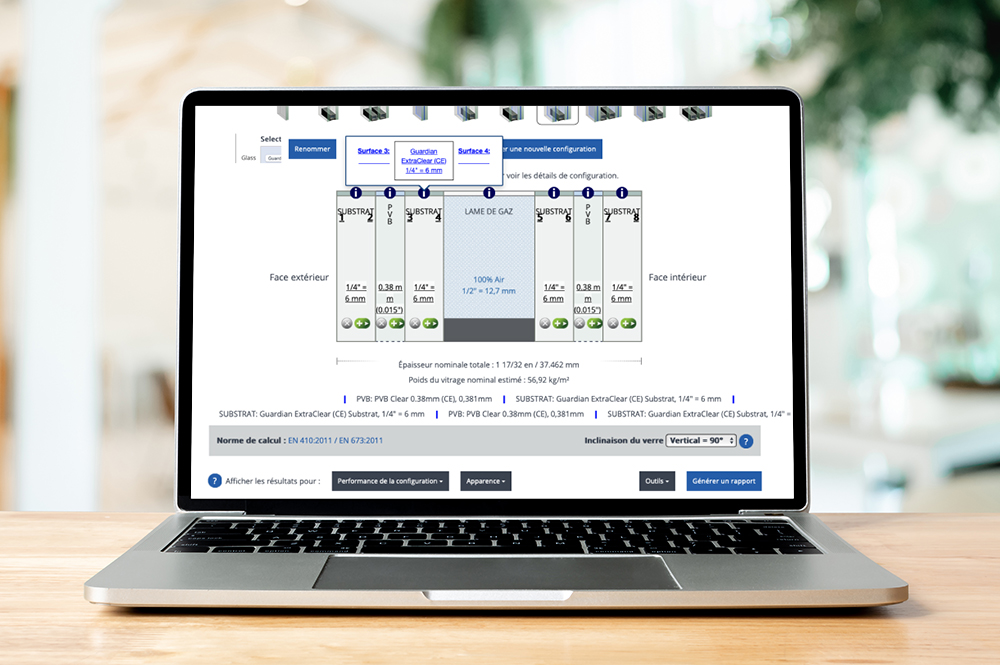
Model and compare glazing makeups, from simple monolithic glass to complex combinations of substrates, coatings and interlayers. The Performance Calculator applies the ISO 15099 thermal-optical calculation standard to generate center-of-glass performance values. It allows you to create client-ready reports and request BIM files. It can also display the embodied carbon of glazing compositions, based on verified EPDs, alongside their in-use performance.

Building Energy Calculator (where regionally available):
Building on the makeups created in the Performance Calculator, the Building Energy Calculator uses hourly simulations (based on glazing options, building parameters and project location) to estimate energy consumption across a variety of climate zones.

