

Managing air emissions in glass manufacturing

Air emissions are generated as part of the glass manufacturing process. At Guardian Glass, we work continuously to reduce and manage these emissions through a combination of process optimization, emissions control technologies, monitoring systems, and investments in manufacturing equipment.
Evaluating opportunities to enhance environmental performance in glass manufacturing requires a long-term approach. A float glass furnace can operate for upwards of 20 years between major rebuilds, which means opportunities to introduce significant technology changes are relatively infrequent. As a result, improvements in environmental performance often occur through a combination of major investments during furnace rebuilds and ongoing efforts to improve existing operations, with technology adoption influenced by the availability of proven, scalable, and economically viable solutions.
Our approach focuses on these key areas:
Monitoring emissions across our operations
Understanding emissions is an important first step in managing them. Across our manufacturing network, we use monitoring systems, testing and operational data to track emissions and support compliance with applicable environmental requirements. These systems help our teams understand plant performance, identify opportunities for improvement, and respond quickly when adjustments are needed.
Today, approximately 95% of our float glass lines are equipped with emissions monitoring systems. These systems provide operational insights that support both environmental performance and compliance obligations, and process stability.
Investing in Emission Control Systems
Many of our float glass lines are equipped with Emission Control Systems (ECS), which are designed to help manage certain air emissions associated with glass manufacturing in line with local compliance obligations.
These systems help control air pollutants such as:
- Nitrogen oxides (NOx)
- Sulfur oxides (SOx)
- Particulate matter (PM)
Approximately 80% of our float glass lines are equipped with an Emission Control System.
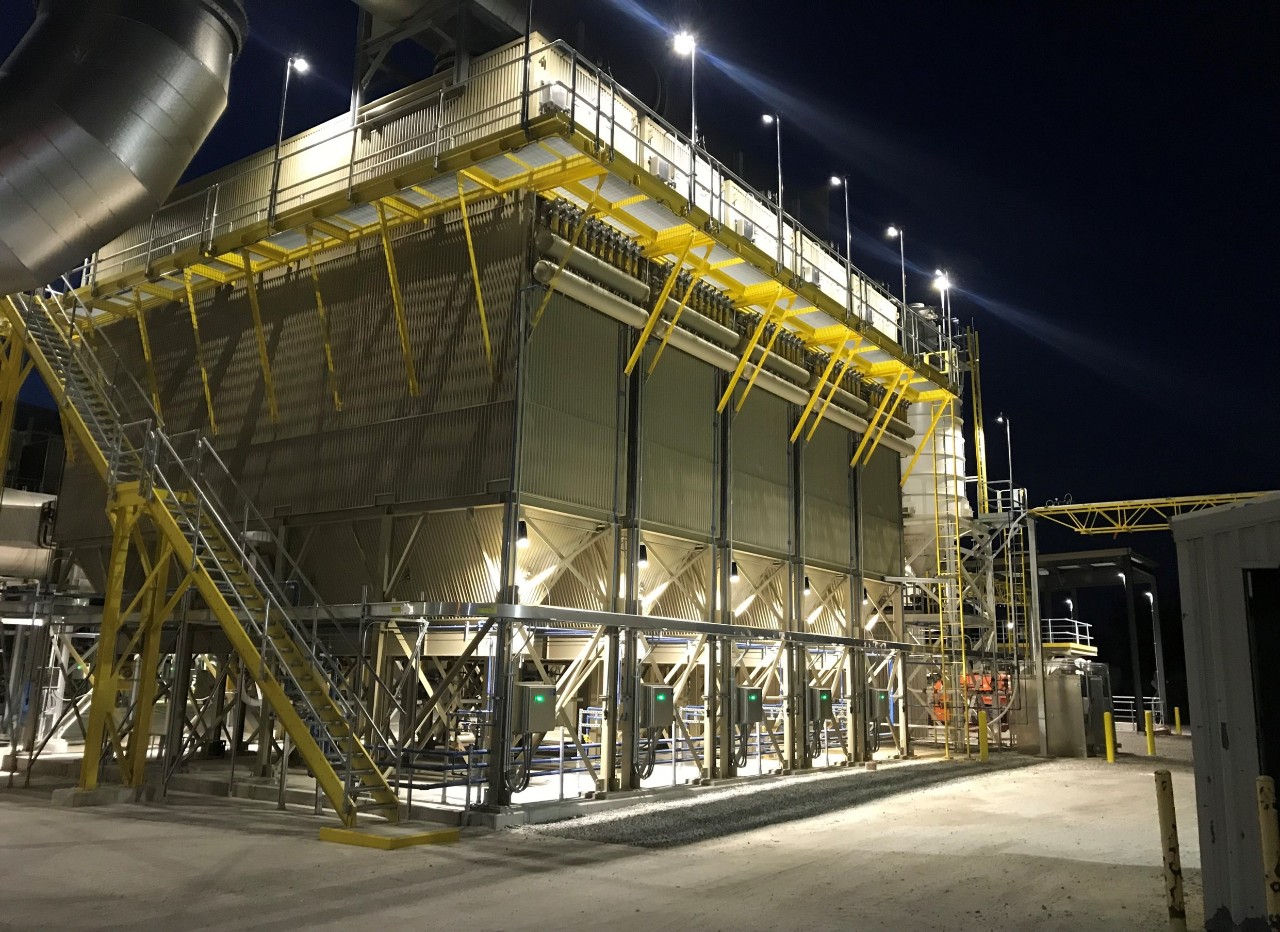
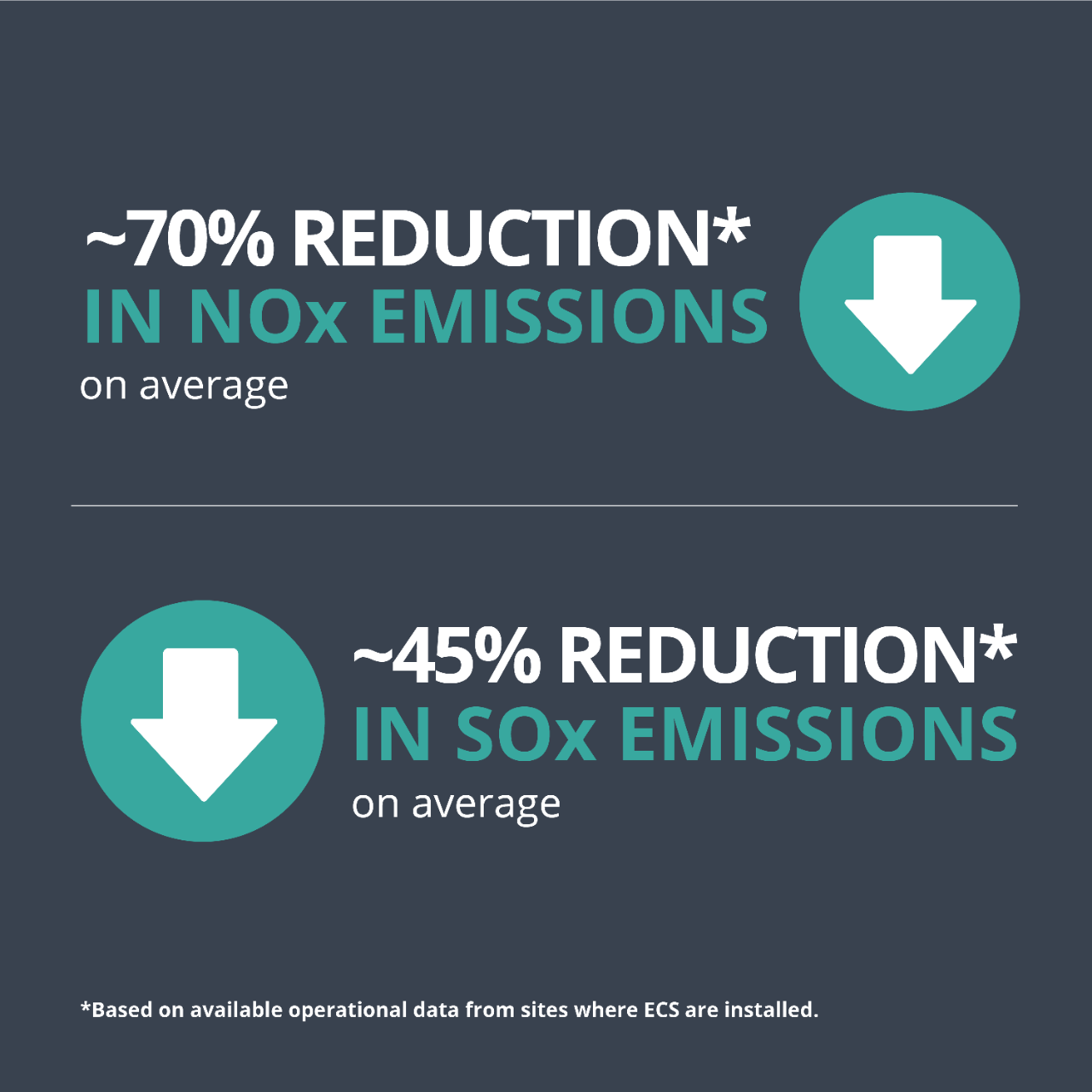
To help understand the performance of these systems, we review available emissions data (e.g., NOx and SOx emission) and other operational information from sites where ECS are installed. Where data is available, this information can provide insight into the role these systems play in managing certain air emissions.
Because particulate matter is more difficult to measure before it enters an ECS, performance is evaluated using available testing and operational data. Depending on the technology and operating conditions, these systems may be designed to remove a significant portion of particulate matter (80-90%) from process exhaust streams.
Improving efficiency within the manufacturing process
While Emission Control Systems play an important role in managing certain air emissions, opportunities also exist within the manufacturing process itself.
We work to optimize manufacturing processes and raw material selection to help manage certain air emissions associated with glass production. This may include adjustments to furnace operation, combustion conditions, and raw material use.
As with many aspects of glass manufacturing, these considerations must be carefully balanced with product quality and manufacturing performance. We evaluate opportunities to enhance environmental performance while maintaining the quality standards our customers expect.
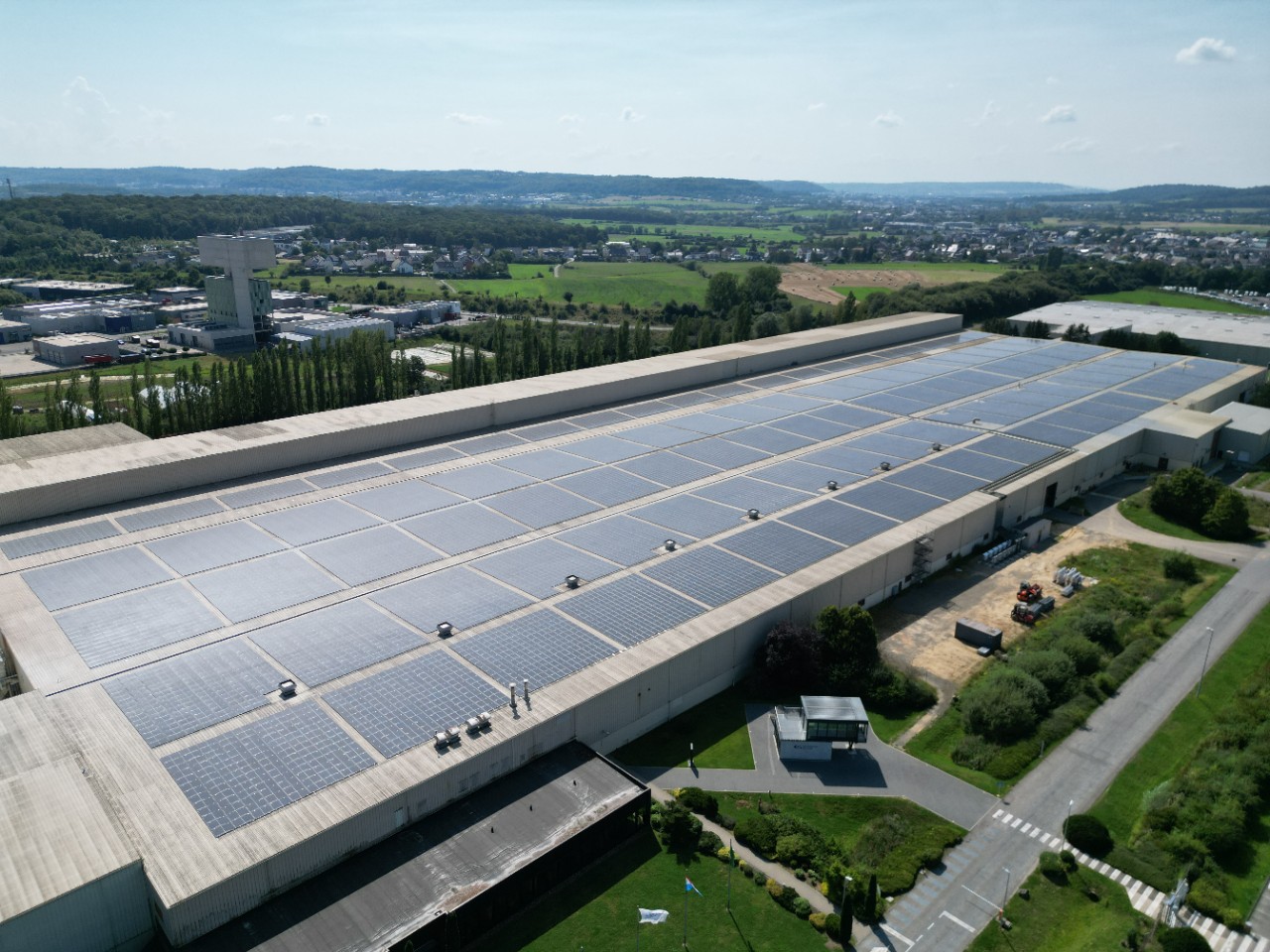
At our Bascharage plant in Luxembourg, a furnace rebuild completed in 2023 introduced an advanced melting technology with a heat recovery system that preheats the pure oxygen and natural gas used during glass melting. This helps improve fuel efficiency and reduce associated emissions while maintaining glass quality. Compared with the furnace it replaced, the upgraded system is approximately 25% more energy efficient, helping reduce the associated carbon dioxide emissions by around 20% while maintaining glass quality.
Recovering valuable materials from emission control systems
Emission Control Systems capture particulate matter generated during glass production. At select manufacturing sites, this material, sometimes referred to as electrostatic precipitator dust, or EP Dust, can be recovered and reused as a raw material in the glassmaking process.
Where this practice is implemented, reintroducing recovered material into production may reduce the consumption of certain virgin raw materials while minimizing the amount of material sent for disposal. This approach also supports our broader efforts around responsible resource and waste management and is one example of how manufacturing byproducts may be recovered and reused with technically and operationally feasible.
Managing air emissions is connected to many other aspects of flat glass manufacturing performance, including eneryg use, raw material consumption, and waste management.

